Yelp’s 2026 Food Trends & The Recipe For One, A Sarti Spritz
|
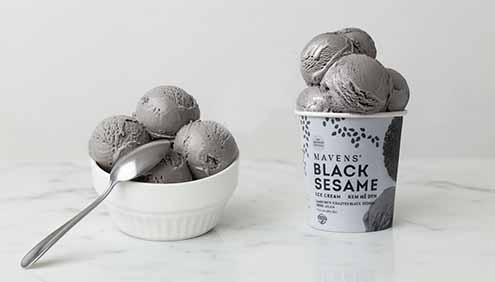
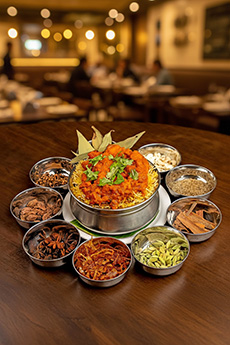
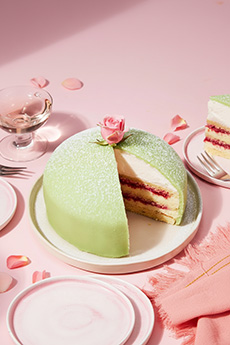
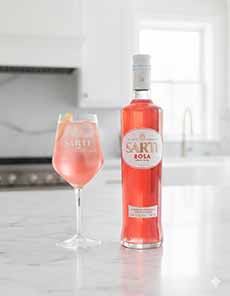
Yelp has unveiled its 2026 Food & Drink Trend Report revealing the bold global flavors, nostalgic comforts, and creative culinary twists that will define the year ahead. Based on millions of Yelp searches and reviews nationwide, this year’s forecast highlights how diners are embracing curiosity, comfort, and cultural exploration—from black sesame lattes to Swedish sweets and the next must-try Italian spritz, the Sarti Spritz (recipe below). The standout trends and experiences based on rise in searches: > About Sarti Rosa apéritif liqueur. > How Yelp got its name. The Sarti Spritz uses Campari’s Sarti apéritif liqueur (photo #5), which blends the flavors of blood orange, mango, and passionfruit. It’s meant as a summer sipper, but if you want to pick up a bottle, you may be challenged: Campari has not yet launched it in the U.S. Still, you can find it online for about $20. This recipe is courtesy of Campari Group, producer of Sarti Rosa. NIBBLE HINT: Use rosé Prosecco for more pink color. > What is Prosecco? 1. FILL a large wine glass with ice and gently add the Prosecco (you don’t want to break the bubbles). 2. ADD Sartia Rosa to the glass; next add a splash of Soda Stir gently to combine. Garnish with a lime wedge. Sarti Rosa has become a popular part of European cocktail culture: an Italian apéritif liqueur with a bright pink color produced by the Campari Group (photo #5). It has a sweet, fruity, and slightly tart taste, with key notes of Sicilian blood oranges, and tropical accents like mango and passion fruit. It’s marketed as a fruitier and less bitter than the classic Aperol Spritz. While the latter has an orange hue from the Aperol, Sarti Rosa has a vibrant pink (rosa) hue. Its lower alcohol volume—around 14% A.B.V.—makes it ideal for a light, refreshing spritz category of cocktails. The brand name Sarti is a heritage name of a distillery acquired by Campari Group in 1995, Sarti Distillery, established in Bologna in 1885. This gives the new liqueur a stamp of authenticity. That’s right: Sarti Rosa was designed to create the Sarti Spritz. Mixed with Prosecco and soda water (that’s the same recipe as the Aperol Spritz, but with a lime wedge garnish instead of Aperol Spritz’s orange slice garnish). Campari, which also owns the Aperol brand, felt sure that they’d have another hit. Sarti Rosa began its market rollout in Europe around early 2025, with a focus on the U.K. and other major markets (but not the U.S., yet). It quickly gained viral popularity on social media (particularly with the pink Sarti Spritz) as a trendy new summer drink. Exactly as planned. The creation of Sarti Rosa was a strategic move by the Campari Group to capitalize on and expand the massive global success of the Spritz cocktail category. It: |
|
|
|
We knew of the “Think Pink” fashion trend of the 1950s, but what’s the pink drink trend? Per Gemini: The pink trend, often tied to “Millennial Pink” or “Barbiecore,” has evolved from a short-lived fad into a major marketing force in the spirits and non-alcoholic sectors. Not surprisingly, the most significant driver of the pink trend is its “Instagrammability” (or “TikTok-ability”). Brightly colored, photogenic drinks encourage sharing online, which turns into free, viral advertising. The entire “drink pink” movement arguably started with the runaway popularity of rosé wines in the mid-2010s. Rosé turned pink from a niche, seasonal wine into a symbol of easy day-drinking, summer sipping, and beyond the summer season (“Rosé All Day”). Seeing the success of rosé, spirits brands started coloring everything pink: pink gin, pink tequila (rosado), pink vodka. And of course, pink liqueur: Sarti Rosa. Since this article was inspired by Yelp, we must give yelp a shout-out, starting with something we’ve long pondered: When we hear the word “yelp,” our first thought is of a dog in distress. Yes, the traditional definition of yelp is: To give a quick, sharp, shrill cry or bark, often indicating pain or excitement. The origin of the word is the Old English gielpan, which meant to boast or cry out loudly. In modern use, it’s often associated with a sudden, noticeable sound. So…Yelp, the website? The company’s founders, Jeremy Stoppelman and Russel Simmons, were looking for a short, memorable name for what was originally conceived as an email-based referral network. The final name was suggested by an early employee, David Galbraith, and it was chosen for these strategic reasons: The end. ________________ CHECK OUT WHAT’S HAPPENING ON OUR HOME PAGE, THENIBBLE.COM. |
||