TIP OF THE DAY: Use Unsalted Butter For Cooking And Baking
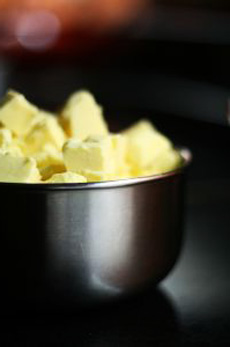
Go for the unsalted butter (photo courtesy Kasey Albano | SXC). |
Some recipes call for salted butter, others for unsalted butter. Does it make a difference which you use? Yes, and the answer is that unsalted butter produces more consistent results. The salt content of butter varies from brand to brand. There can be as little as 1/4 teaspoon salt per four-ounce stick of butter, or as much as 3/4 teaspoon. You can’t tell by reading package ingredients. Recipes that specify salted butter use less added table salt. Recipes with unsalted butter make up the difference with added salt. But in order to make recipes consistent—especially recipes in which the amount of salt can make a difference, such as delicate cookies and cakes—it’s better to use unsalted butter and add a consistent amount of salt each time. REVERSE TIP: If you have only unsalted butter but need to convert it salted butter to for a recipe, do what the dairies do: Add 1/4 teaspoon of salt per four ounces of butter. For table use, you can also can take coarse sea salt or kosher salt and sprinkle it atop a bar of salted butter. |
|
|
What happened to “sweet butter?” This term is often used by consumers to refer to butter that has no salt. But “sweet butter” is a misnomer, because any butter made with sweet cream (instead of sour cream) is sweet butter. The appropriate terms to use are unsalted butter or sweet cream butter; but the latter term has disappeared from industry use. Stick to unsalted. |
||